The Truth About Nutella: The Palm Oil Ingredient Exposed
Understanding the Hidden Components in Your Favorite Chocolate Spread
Nutella has long been a beloved household name, celebrated for its irresistible combination of hazelnuts and cocoa. However, a deeper look into its ingredient list uncovers a major component that raises health, environmental, and ethical concerns: palm oil.
Palm Oil: The Controversial Backbone of Nutella
Palm oil is not just a minor ingredient in Nutella—it plays a fundamental role in creating the creamy texture and long shelf life that consumers recognize. As a highly processed, cost-effective fat, palm oil is extracted from the fruit of oil palm trees primarily grown in Indonesia and Malaysia. In fact, palm oil is one of the leading global vegetable oils, but its use in popular food products like Nutella is causing growing scrutiny.
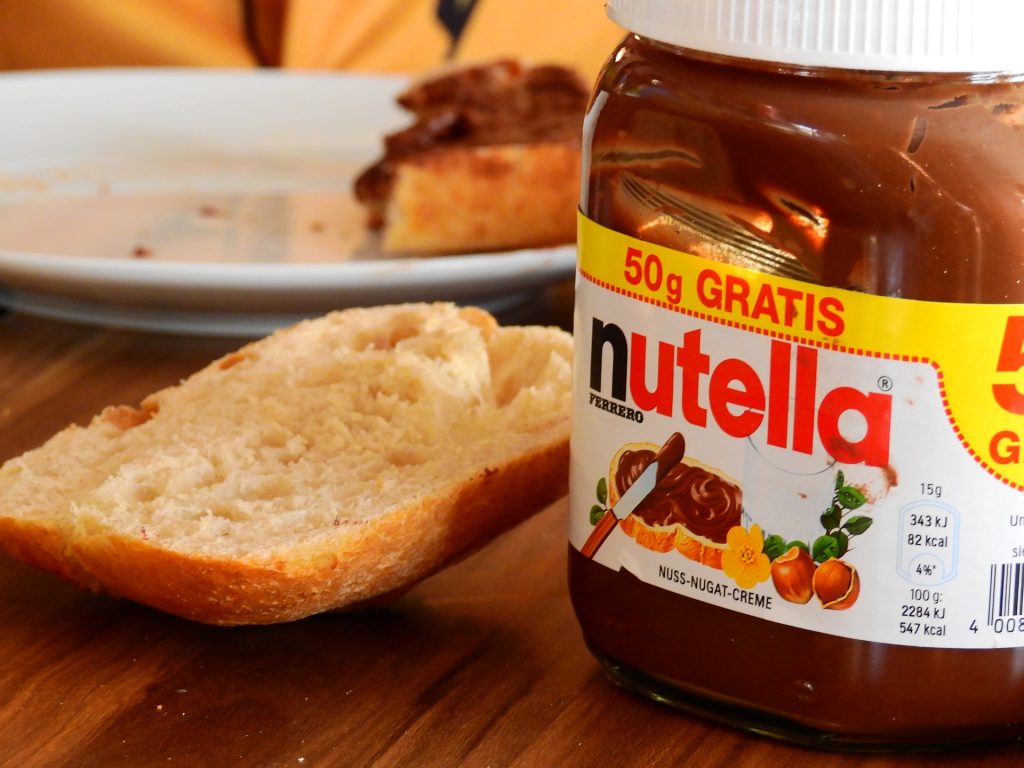
Composition Breakdown of Nutella
| Ingredient | Purpose | Percentage Estimate |
|---|---|---|
| Sugar | Sweetener | ~55% |
| Palm Oil | Texture & Shelf Stability | ~20% |
| Hazelnuts | Flavor & Nutritional Value | ~13% |
| Cocoa | Chocolate Flavor | ~7% |
| Skim Milk Powder | Creamy Texture | ~4% |
| Lecithin & Vanillin | Emulsifier & Flavor Enhancer | Trace Amounts |
Palm oil is the second-largest ingredient by volume, overshadowing even hazelnuts and cocoa, which are commonly advertised as the main stars.
The Health Implications of Palm Oil Consumption
The palm oil used in Nutella undergoes intense industrial refining, including deodorization at temperatures exceeding 200°C. This process can result in the formation of contaminants known as glycidyl fatty acid esters (GE). According to the European Food Safety Authority (EFSA), GE has been classified as “potentially carcinogenic to humans.”
Health Risks:
- Increased LDL Cholesterol: Refined palm oil is rich in saturated fats, which are linked to elevated cholesterol levels.
- Potential Carcinogenic Contaminants: Heating palm oil at high temperatures can produce harmful substances.
- Weight Gain: Due to its high fat and calorie density, regular Nutella consumption can contribute to obesity-related diseases.
The Environmental Impact of Palm Oil in Nutella
The mass production of palm oil has led to severe deforestation, wildlife endangerment, and climate change acceleration. The demand for Nutella and similar products directly correlates with the expansion of palm oil plantations, which often replace rich tropical rainforests.
Environmental Consequences:

- Deforestation: Massive swaths of rainforest are cleared annually to make way for oil palm plantations.
- Loss of Biodiversity: Endangered species such as orangutans, Sumatran tigers, and Bornean pygmy elephants are threatened by habitat destruction.
- Greenhouse Gas Emissions: Deforestation and peatland destruction contribute significantly to CO₂ emissions.

Ethical Considerations: Labor and Human Rights Issues
The palm oil industry has long faced accusations of unethical labor practices, including child labor, forced labor, and poor working conditions. Major corporations, including those linked to Nutella’s supply chain, have been scrutinized for sourcing palm oil from plantations that exploit vulnerable populations.
Ferrero’s Defense and Sustainability Claims
Nutella’s parent company, Ferrero, defends its use of palm oil, claiming that it sources 100% certified sustainable palm oil (RSPO-certified). However, environmental watchdog groups argue that RSPO certification lacks strict enforcement, with loopholes allowing for deforestation and human rights abuses to persist under the label of “sustainability.”
RSPO Certification: Greenwashing or Real Change?
- Traceability Issues: Certified palm oil is often mixed with non-certified oil during processing.
- Weak Enforcement: Oversight bodies struggle to ensure compliance at the ground level.
- Limited Scope: Even with certification, indirect suppliers can contribute to unsustainable practices.
Consumer Awareness: Alternatives to Palm Oil-Laden Spreads
Health-conscious and environmentally aware consumers are increasingly turning to palm oil-free alternatives. Brands are emerging that use ethically sourced sunflower oil, coconut oil, or olive oil in place of palm oil, creating equally delicious spreads without the baggage.
Recommended Alternatives:
- Rigoni di Asiago Nocciolata: Certified organic and palm oil-free.
- Barefoot & Chocolate Hazelnut Spread: Non-GMO and uses sustainable ingredients.
- Homemade Nutella Recipes: Control your ingredients and eliminate palm oil entirely.
Conclusion: The Hidden Costs of Every Nutella Jar
While Nutella remains a beloved treat, it’s crucial to recognize that behind its creamy texture lies an ingredient with significant health, environmental, and ethical drawbacks. By understanding the impact of palm oil, consumers can make informed decisions that prioritize both personal health and planetary well-being.

Key Takeaways:
- Palm oil is a major ingredient in Nutella, not a minor additive.
- Its production is linked to deforestation, biodiversity loss, and greenhouse gas emissions.
- Health concerns around refined palm oil include potential carcinogenicity and cardiovascular risks.
- Ethical issues surround labor practices in the palm oil supply chain.
- Sustainable, palm oil-free alternatives are available and worth considering.
The next time you spread Nutella on your toast, remember: you’re not just indulging in a chocolate-hazelnut fantasy — you’re participating in a global conversation about health, sustainability, and ethics. Choose wisely.