11 Subtle Habits That Reveal Someone Might Be Silently Battling Depression
Understanding the Hidden World of High-Functioning Depression
Depression does not always appear in obvious ways. While media often portrays depression through visible sadness and isolation, many individuals mask their emotional pain behind routines, smiles, and achievements. Recognizing the hidden signs is essential for early support and understanding.
1. Excessive Sleeping or Insomnia: Unpredictable Sleep Patterns
Individuals facing hidden depression frequently experience irregular sleep cycles. Some may sleep for excessively long hours, while others suffer from relentless insomnia. The mind’s constant emotional exhaustion triggers the body to either seek refuge in deep sleep or deny it altogether, creating a harmful feedback loop of fatigue and frustration.
2. Loss of Interest in Activities Once Loved
A key, yet often overlooked, habit of people coping with depression is the quiet abandonment of hobbies and activities that once brought them joy. Whether it’s creative pursuits, social gatherings, or fitness routines, these individuals withdraw subtly, excusing their absence with phrases like “I’m just too busy” or “Maybe later.”
3. Forced Positivity and Excessive Smiling
Those living with hidden depression frequently overcompensate for their internal struggles by projecting an overly cheerful demeanor in public. The constant effort to appear “fine” or “happy” can become both emotionally and physically exhausting, but they use it as a coping mechanism to avoid unwanted concern or difficult conversations.
4. Overcommitting to Avoid Solitude
People battling silent depression often fill their schedules with work, social obligations, and personal projects. This intentional overcommitment helps distract them from confronting their own thoughts. Being constantly busy provides a false sense of productivity while suppressing emotional pain.
5. Changes in Appetite: Overeating or Undereating
Hidden depression frequently distorts appetite regulation. Some individuals turn to comfort eating as an emotional crutch, while others experience a suppressed appetite, losing interest in food altogether. Both extremes signal internal distress masked behind casual excuses like “I’ve just not been hungry lately” or “I needed a pick-me-up.”
6. Perfectionism and Fear of Failure
High-functioning depression often manifests through perfectionism. Individuals set unrealistically high standards for themselves and experience intense guilt or self-criticism when they fall short. This habit is more than ambition—it’s a way of validating their self-worth and deflecting attention from their mental health struggles.
7. Isolating in Crowds: Feeling Alone While Surrounded
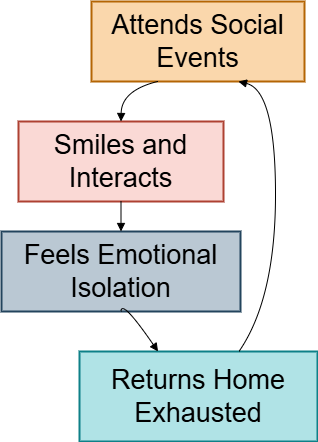
One of the paradoxical signs of hidden depression is the feeling of deep isolation, even in social settings. People battling inner sadness may attend events, meetings, or parties, yet feel emotionally disconnected from the group, trapped in an invisible bubble of numbness and self-judgment.
8. Self-Deprecating Humor
Humor can become a sophisticated shield for someone concealing depression. Self-deprecating jokes often serve as subtle cries for help or as a way to normalize their lowered self-esteem without alarming others. Such remarks are frequently dismissed as “just a joke” by both speaker and listener.
9. Excessive Use of Digital Devices as Emotional Escape
People experiencing hidden depression often spend prolonged hours scrolling social media, binge-watching content, or engaging in endless gaming. These digital distractions provide momentary relief from intrusive thoughts and emotions but often deepen the cycle of isolation and dissatisfaction.
10. Sudden Mood Swings and Irritability
Emotional volatility is another sign of suppressed struggles. A person may appear calm one moment and irritated the next, often over minor issues. These mood swings are not signs of inconsistency but of underlying emotional exhaustion fighting for expression.
11. Declining Self-Care Habits
When someone begins to neglect their grooming, hygiene, or organization habits, it’s often a clear sign of emotional distress. Hidden depression erodes motivation for everyday tasks, making even basic routines like brushing hair or cleaning a room feel insurmountable.
Understanding the Silent Battle: A Holistic View

This cycle highlights how intertwined and self-reinforcing these hidden habits can become.
How We Can Support Someone with Hidden Depression
- Approach with Empathy: Judgement-free conversations can provide comfort.
- Observe Consistently: Small changes over time may reveal deeper struggles.
- Encourage Professional Help: Therapy and counseling can offer structured pathways toward recovery.
- Offer Gentle Social Inclusion: Consistent, non-invasive support helps break isolation cycles.
Final Thoughts: Recognizing and Responding to Hidden Depression
Hidden depression is more widespread than outward appearances suggest. Many individuals walk through life wearing a convincing mask of strength while silently enduring mental and emotional anguish. By educating ourselves on the subtle habits that may signal depression, we can extend compassion, patience, and proactive support to those who need it most.
Mental health is not always visible, but our awareness can make all the difference.